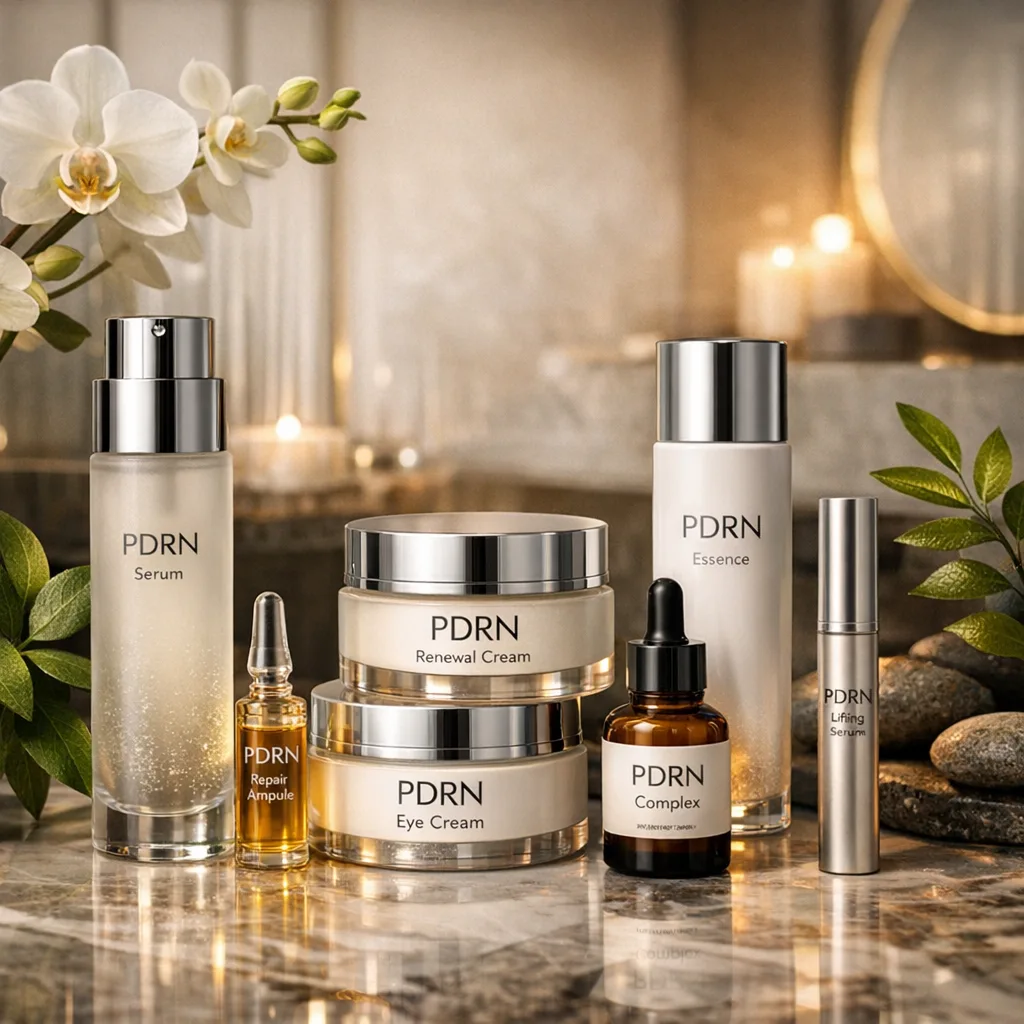
Understanding PDRN: The Science Behind the Breakthrough
PDRN, or Polydeoxyribonucleotide, is an innovative ingredient originally derived from salmon DNA or synthesized in labs. Its impressive ability to promote cellular renewal is revolutionizing the skincare landscape in 2026.
Unlike its traditional use as an injectable treatment in cosmetic procedures, PDRN has made a significant leap to topical applications, allowing everyday consumers to benefit from its regenerative properties without needles.
Key Benefits of PDRN for Skin
- Cellular Renewal: PDRN encourages the regeneration of skin cells, making it particularly beneficial for damaged or aging skin.
- Barrier Repair: By supporting the skin's natural barrier, it helps to prevent moisture loss, thus maintaining hydration levels.
- Reduced Inflammation: PDRN has anti-inflammatory properties, which help to soothe redness and irritation while enhancing overall skin resilience.
- Improved Elasticity and Texture: Users often report smoother and more supple skin following PDRN treatment.
These benefits make PDRN a standout in the realm of barrier-focused formulations, aligning perfectly with the trend toward stronger and more resilient skin that’s prominent in 2026.
Integrating PDRN into Your Skincare Routine
In a year dedicated to minimalist routines that prioritize high-performance ingredients, incorporating PDRN is easier than ever. Here’s how to make the most of this remarkable ingredient:
- Choose Serums and Masks: Look for PDRN-enhanced products like Medicube’s Pink Peptide Serum or Pink Collagen Gel Mask for enhanced hydration and barrier support.
- Layer Wisely: Apply PDRN-infused serums before heavier creams to maximize absorption, following the principle of ‘light to heavy’ application.
- Consistency is Key: Use PDRN products daily for visible results. Users have reported enhanced skin vibrancy and reduced signs of aging with consistent use.
The Rise of Barrier-First Skincare
In 2026, the skincare narrative has shifted towards barrier-first solutions that prioritize resilience and health. This trend highlights several innovative ingredients alongside PDRN:
- Beta-Glucan: A potent barrier-repair hero that provides hydration and reduces irritation.
- Ectoin: A natural molecule that protects skin from environmental stressors while enhancing overall barrier function.
- Postbiotics: Recognized for strengthening the skin microbiome, they play a crucial role in maintaining a balanced, healthy barrier.
As consumers seek out products that offer real and lasting improvements, PDRN and these complementary ingredients are setting new standards in efficacy and safety.
Looking Ahead: PDRN's Future in Skincare
With ongoing innovations in formulation technologies and consumer demand for effective solutions, the future of PDRN in skincare looks bright.
- Growing Market Demand: The shift towards bio-communication and regeneration is expected to continue, with more brands adopting PDRN in their offerings.
- Research and Development: Continuous studies into the applications of PDRN will lead to new products and formulations that push the boundaries of skincare.
- Sustainable Sourcing: As with all ingredients, ethical sourcing will become increasingly important, ensuring that PDRN derived from salmon is done so responsibly.
By embracing PDRN and its regenerative benefits, skincare enthusiasts can look forward to vibrant, resilient skin well into the future.
Frequently Asked Questions
What is PDRN in skincare?
PDRN stands for Polydeoxyribonucleotide, a DNA fragment known for its ability to promote skin repair and cellular renewal, widely used in 2026.
How does PDRN help with skin barrier repair?
PDRN enhances the skin's natural barrier, preventing moisture loss and reducing irritation, ultimately leading to healthier, more resilient skin.
Can PDRN be used in daily skincare?
Yes, integrating PDRN into your daily skincare routine through serums or masks can significantly improve skin texture and hydration over time.
Are there any side effects of using PDRN?
PDRN is generally regarded as safe and effective, but as with any skincare ingredient, it is advisable to patch test for sensitivity.
For those interested in exploring the latest skincare innovations, consider checking out our recommended products or search top clinics in Seoul for personalized treatments.