Fashion Trends
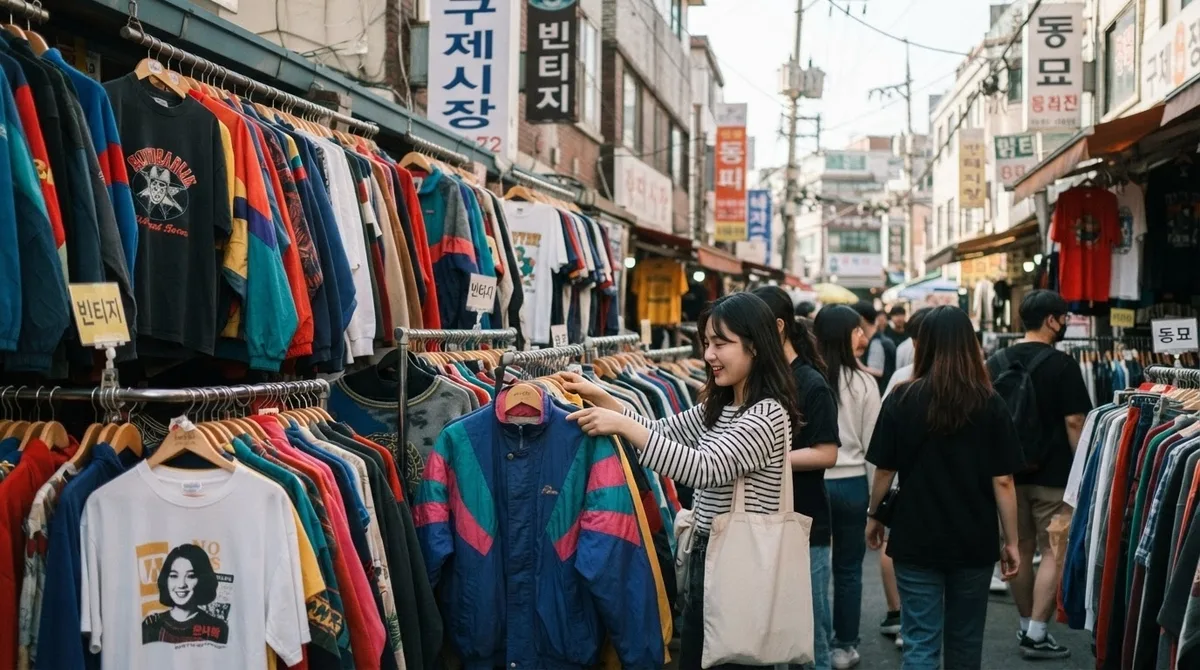
Korean Vintage Shopping in Seoul: Euljiro, Dongmyo, and the Best Flea Markets
Dongmyo is the biggest flea market in Korea and one of the best in Asia. It sprawls across 30,000 square metres near Dongmyo Station, operates daily, and runs on a simple logic: the dig piles cost ₩1,000 to ₩5,000 per item flat regardless of what you find. People regularly pull authentic Levi's 501s, Pendleton wool shirts, and Dickies workwear from those piles. The nearby district of Euljiro -- nicknamed Hipjiro by the locals who moved in -- is a different proposition entirely: curated vintage boutiques operating inside former printing workshops and electronics arcades, with craft cocktail bars in between. This guide covers both, plus Gwangjang Market's overlooked vintage floors and the Seoul Folk Flea Market in Sinseol-dong.
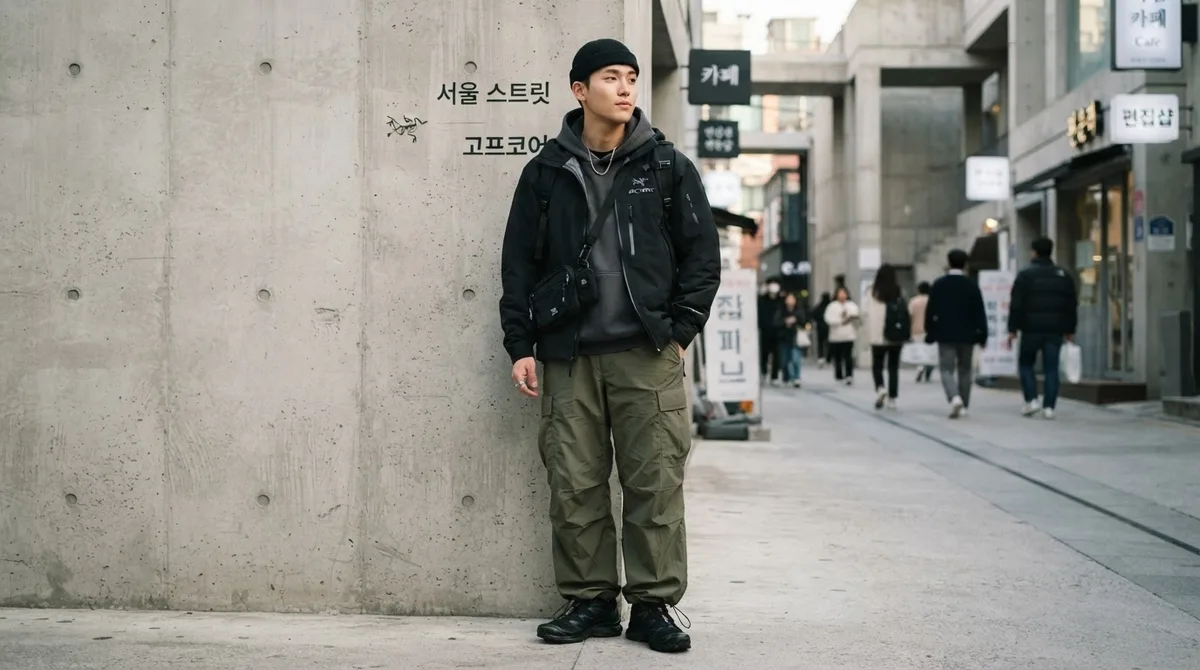
What Is Gorpcore in Korea? The Outdoor-Meets-Street Trend Dominating Seoul in 2026
Gorpcore, the fashion aesthetic built on hiking boots, Gore-Tex shells, and trail-running sneakers worn not on trails but on the streets of Seoul - is the single most dominant fashion trend in Korea in 2026. The word comes from GORP, hiker slang for 'Good Old Raisins and Peanuts,' the trail mix that fuels long treks. The style is what happens when a city with the highest per-capita hiking rate in Asia decides its outdoor gear looks good enough to wear everywhere. Seoul did not just adopt gorpcore from the West. It had been doing a version of it for decades before the term existed.
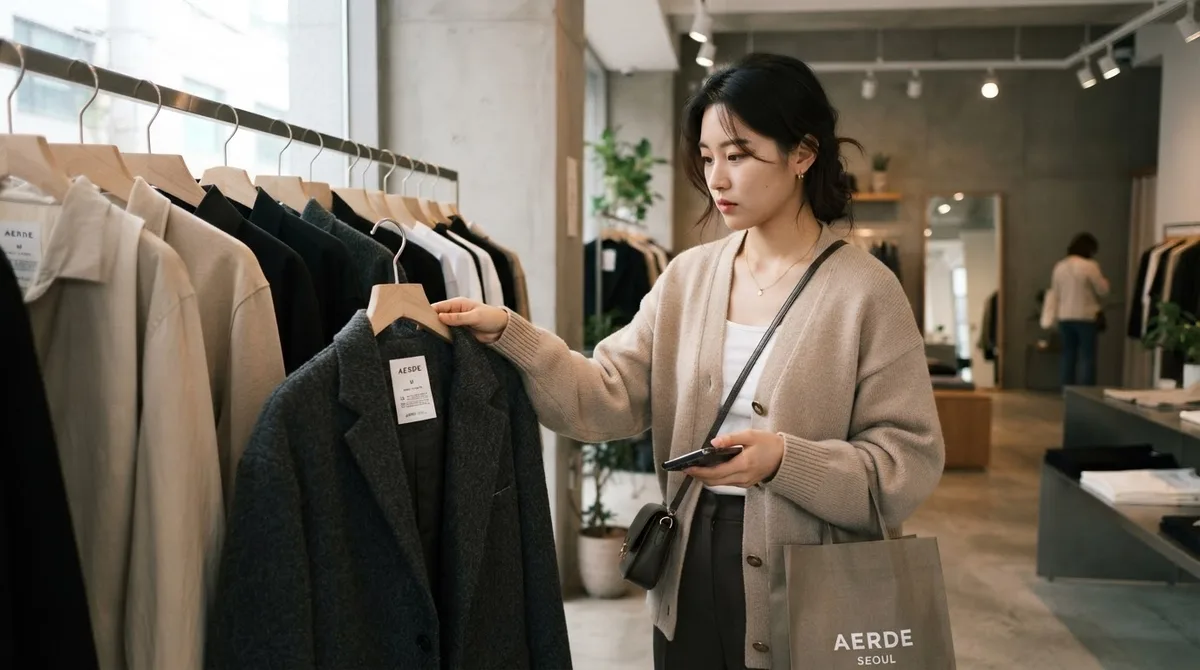
Korean Sizing: Why Your Usual Size Doesn't Work and How to Shop Musinsa Without Getting It Wrong
Korean clothing sizes are not simply smaller than Western sizes -- they run in a completely different numbering system, measure differently, and carry assumptions about body proportions that often don't transfer. The result is that most international shoppers get the wrong size the first time, sometimes the first several times. Here is the full picture: what the numbers mean, what Free Size actually is, the single most common Musinsa measurement trap, and the step-by-step method that prevents the wrong-size delivery.
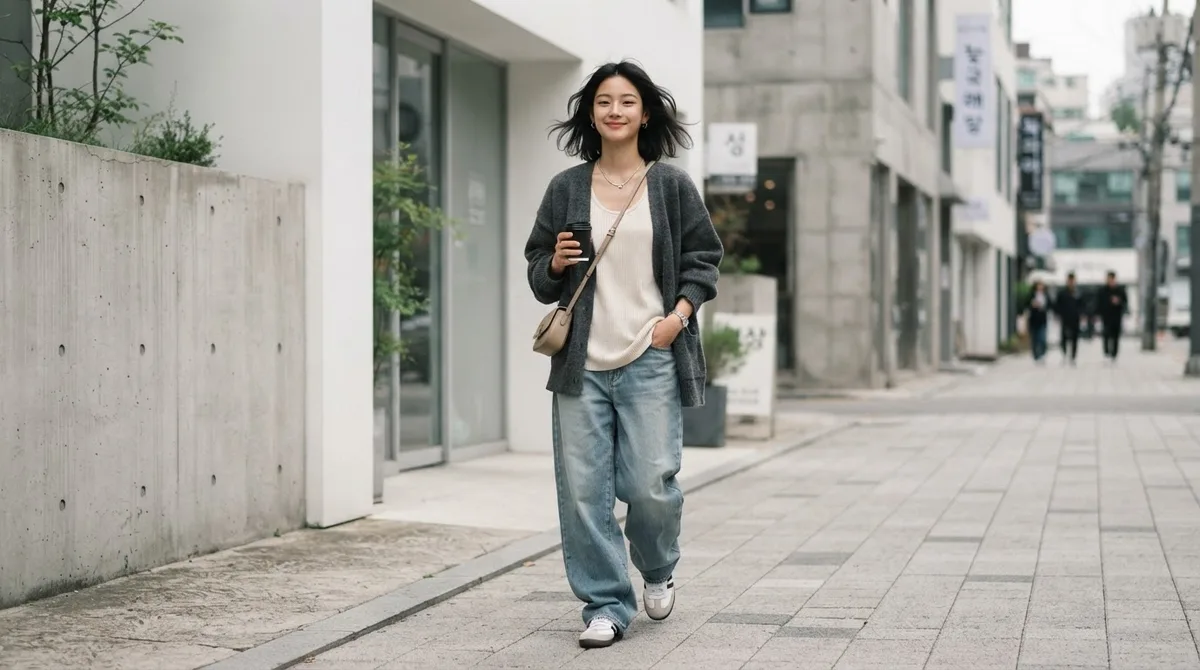
Acubi Fashion: Seoul's Quiet Cool Aesthetic Explained
Acubi is the Korean streetwear aesthetic that CNN called 'the rise of quiet cool' -- oversized silhouettes, muted neutrals, slim top paired with a loose bottom, and the particular restraint that makes it look sharp without trying. It started as a Seoul brand in Hongdae, went viral on TikTok, peaked on Google Trends in February 2026, and is now in Zara, Shein, and Musinsa simultaneously. This is where it actually came from, what separates it from Y2K and clean girl, and how to build the look at any budget.
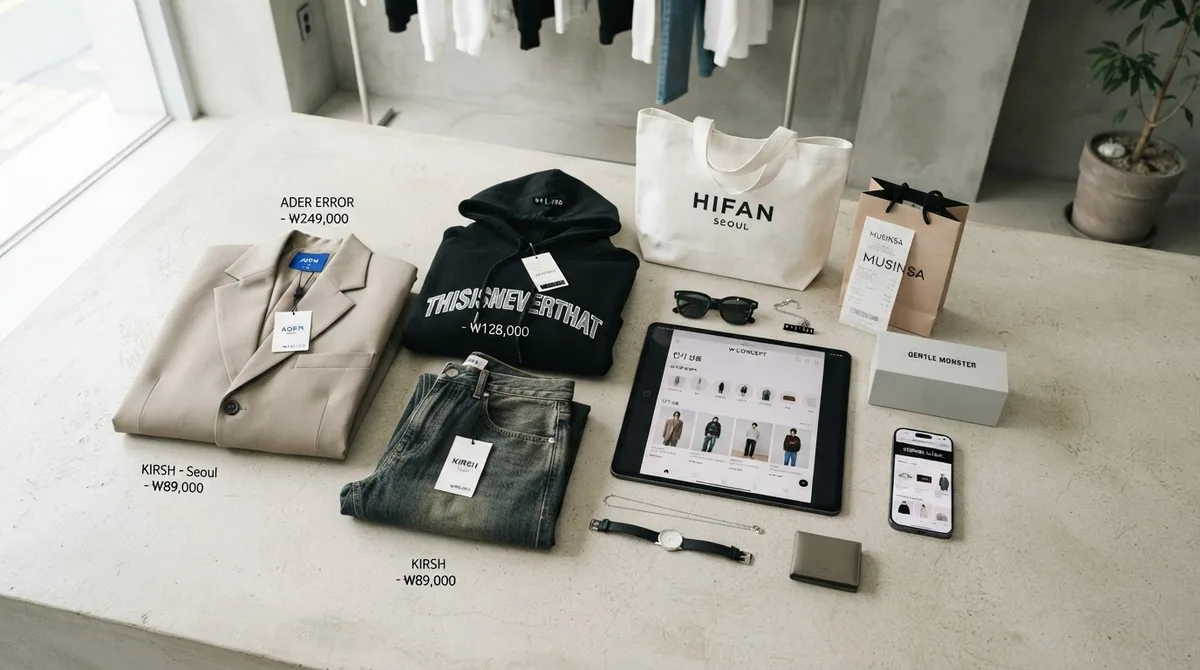
Korean Fashion Brands You Can Actually Buy: The 2026 Guide to Musinsa, Ader Error, and Beyond
Korean fashion is no longer difficult to access internationally. The platform infrastructure, the brand direct sites, and the global retail presence have all matured enough that most of what you see on Seoul streets and idol airport photographs is now one or two clicks away. Here is an honest guide to eight brands worth buying, what each one is for, and how to actually get them.
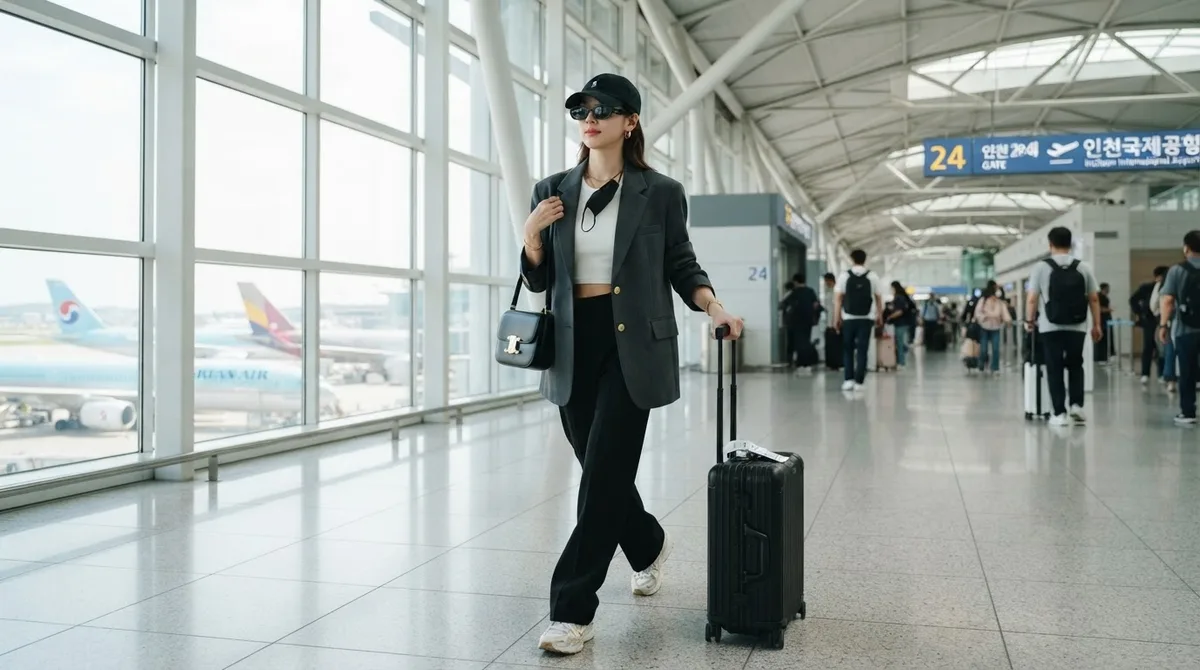
Idol Airport Fashion: How K-Pop Stars Travel (and How to Steal the Look)
K-pop idols turn Incheon Airport into a runway at 6 AM. There are fan photographers stationed at the departure hall, agency stylists who dress idols specifically for the departure, and brand teams tracking every look for commercial impact. Here is exactly how idol airport fashion works, the five style profiles dominating 2026, the four-part formula every look follows, and how to build the same outfit at three different budgets.
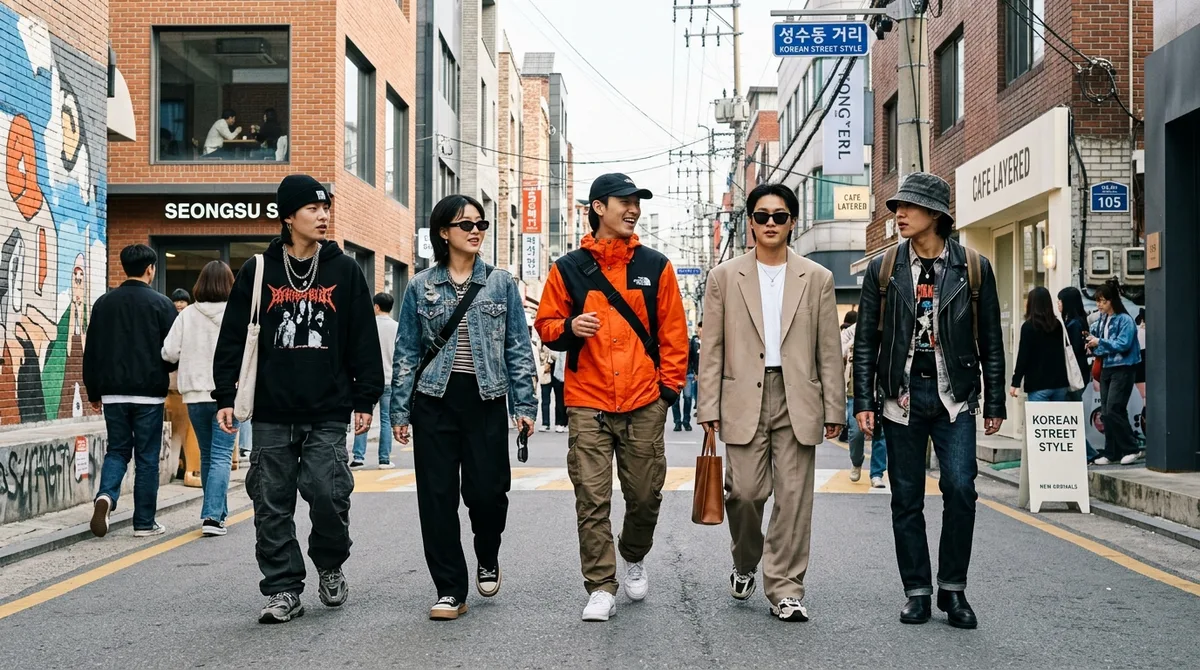
Seoul Street Style 2026: The Trends Coming Out of Seongsu-dong and Hongdae
Seongsu-dong and Hongdae are not just neighbourhoods — they are the places where global fashion trends are decided six months before they arrive anywhere else. Here is exactly what is on the streets in 2026, which brands are driving it, and how to shop both districts.