K-Drama Trends

The Best K-Dramas of 2026 to Watch Right Now
The biggest K-drama of 2026 so far is not a romance. It is Teach You a Lesson, a 7-episode action thriller about a fictional government bureau that investigates extreme school violence -- and it has 54.9 million global views in six weeks, making it Netflix's second most-watched Korean series ever behind only Squid Game. That is the number to orient yourself with when thinking about 2026. This has been a strong year. Here is what is actually worth your time, with honest descriptions of what each show is and who it is for.

K-Drama Beauty Looks by Genre: What Romance, Thriller, and Historical Drama Characters Actually Wear
K-drama makeup is not decorative. It is a genre signal -- a visual grammar that tells the audience something about a character before she speaks, and about the story before the plot makes it explicit. The gradient lip and dewy glass skin of a romance lead communicate emotional availability. The pallid, hollow-eyed look of a thriller character communicates psychological pressure. The matte powdered complexion and red-stained lips of a sageuk queen communicate status and period. Each genre has a distinct beauty vocabulary, and the vocabulary is consistent enough that experienced K-drama viewers can read a character's trajectory from the first close-up.
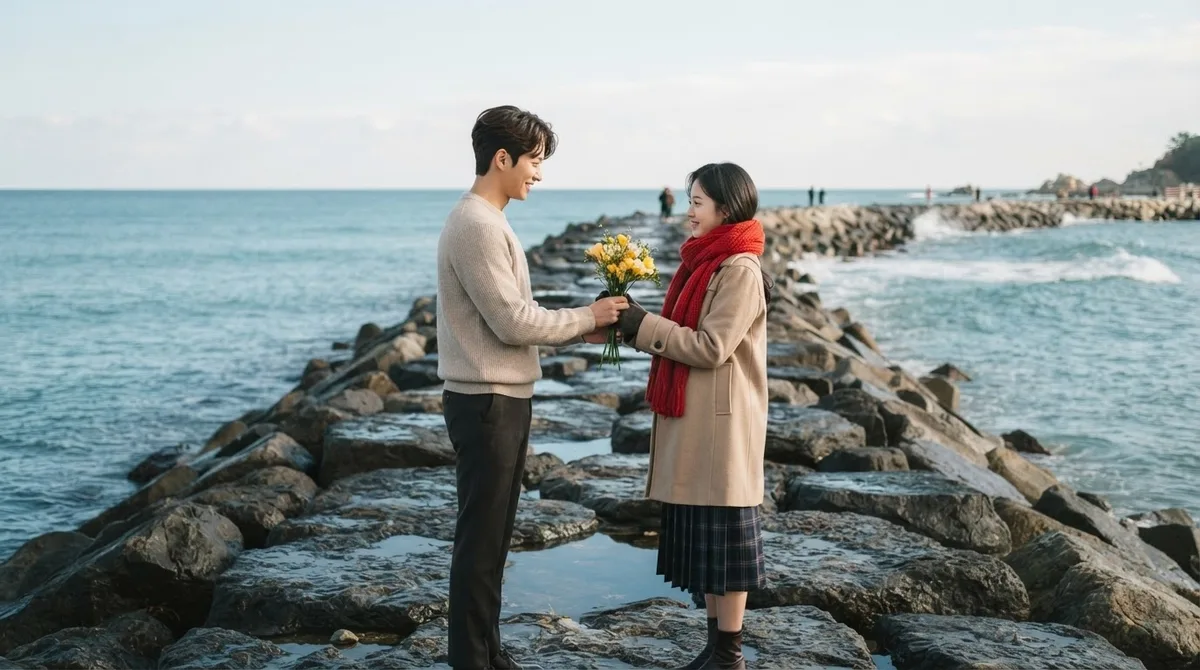
The Best K-Drama Filming Locations Outside Seoul: Goblin's Coast, Nami Island, and Beyond
The most iconic single moment in Goblin - Ji Eun-tak standing on a concrete breakwater above the East Sea, candle in hand, waiting for Kim Shin to appear from nothing, was filmed at Jumunjin Beach in Gangneung, two hours from Seoul by KTX. The four lead actors returned there in May 2026 to film the drama's 10th anniversary special. That is the particular quality of K-drama filming locations outside Seoul: they are specific enough to be exactly as you remember them, and real enough to have their own life beyond what the camera captured.
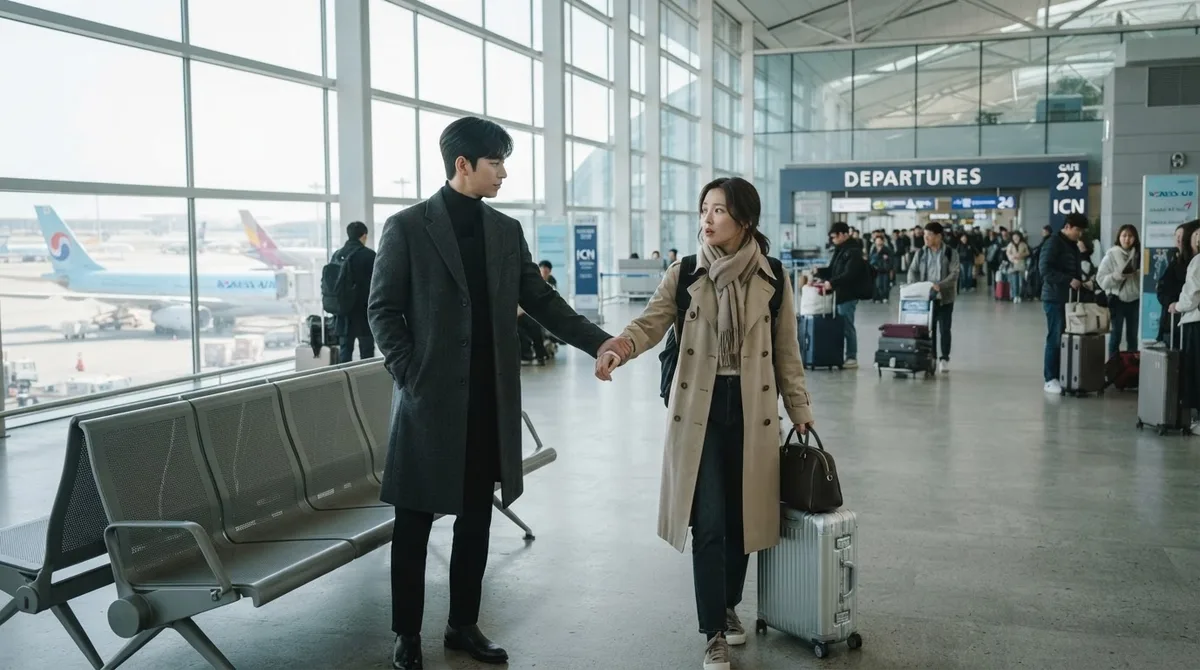
K-Drama Tropes Explained: What Actually Happens at the Airport, Why Wrist Grabs, and the Logic Behind the Slow Burn
K-drama tropes are not clichés in the pejorative sense. They are a visual grammar - a set of recurring conventions that carry specific emotional meaning for an audience that has learned to read them. The airport scene is not just a chase. The wrist grab is not just a gesture. The slow burn is not just a delay. Each one is doing something specific in the architecture of the story. Here is what each major trope is actually doing and why it keeps working.
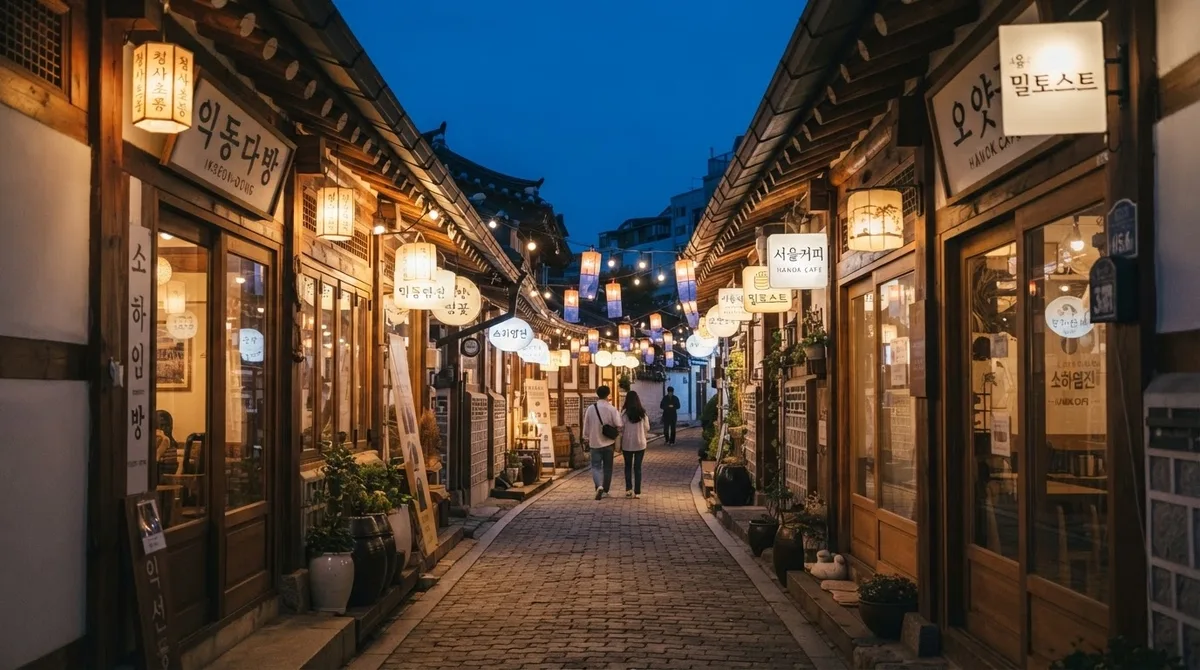
Bukchon Hanok Village, Ikseon-dong, and Beyond: The Most Photogenic K-Drama Spots in Seoul
Bukchon Hanok Village and Ikseon-dong are two of the most photographed neighbourhoods in Seoul - and two of the easiest to get wrong. Go at the wrong time, stand in the wrong spot, or mistake the residential alleys for a film set, and you get a crowded, contentious experience rather than the clean shot. This guide covers exactly what to shoot at each location, when to be there, and five more spots in Seoul that deliver the K-drama frame without the queues.
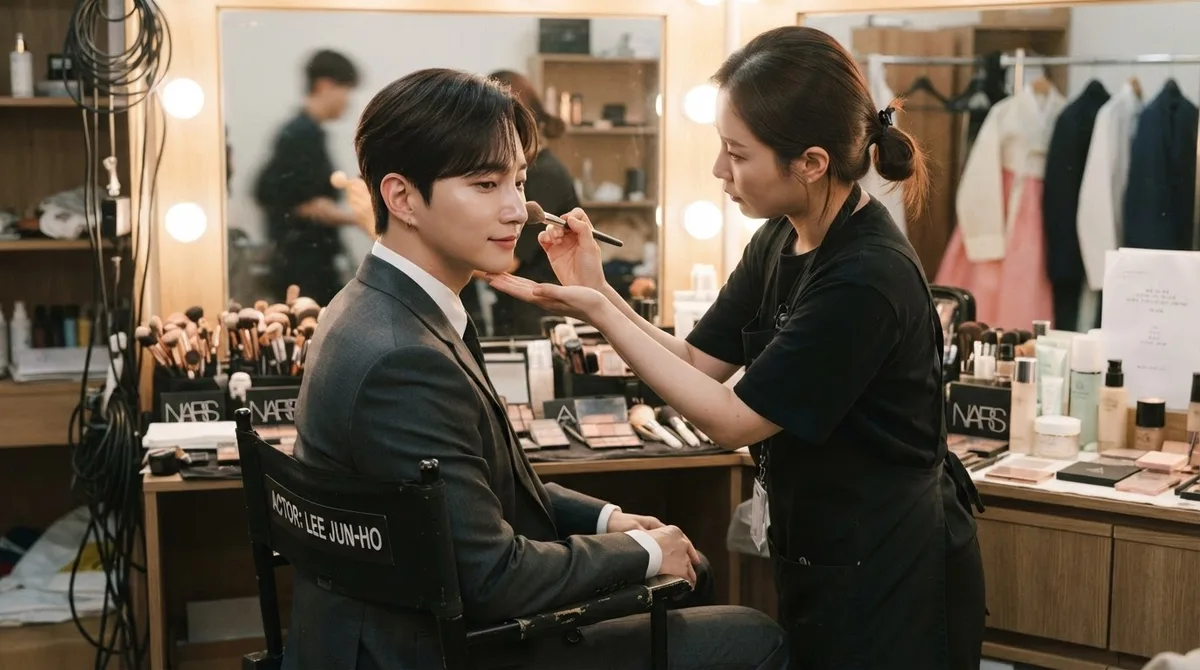
The Skin and Beauty Secrets Behind K-Drama Actors' Flawless Complexions
The skin on a K-drama screen is not the whole story. Behind it: 16-hour filming days under lights that dehydrate skin, constant heavy-makeup touchups that block pores, post-production retouching as standard practice, and a rigorous aftercare system built to repair what filming destroys. Here is the full honest picture -- what filming does, what the on-screen glow actually is, what five specific actors actually do, and what you can take from the approach.
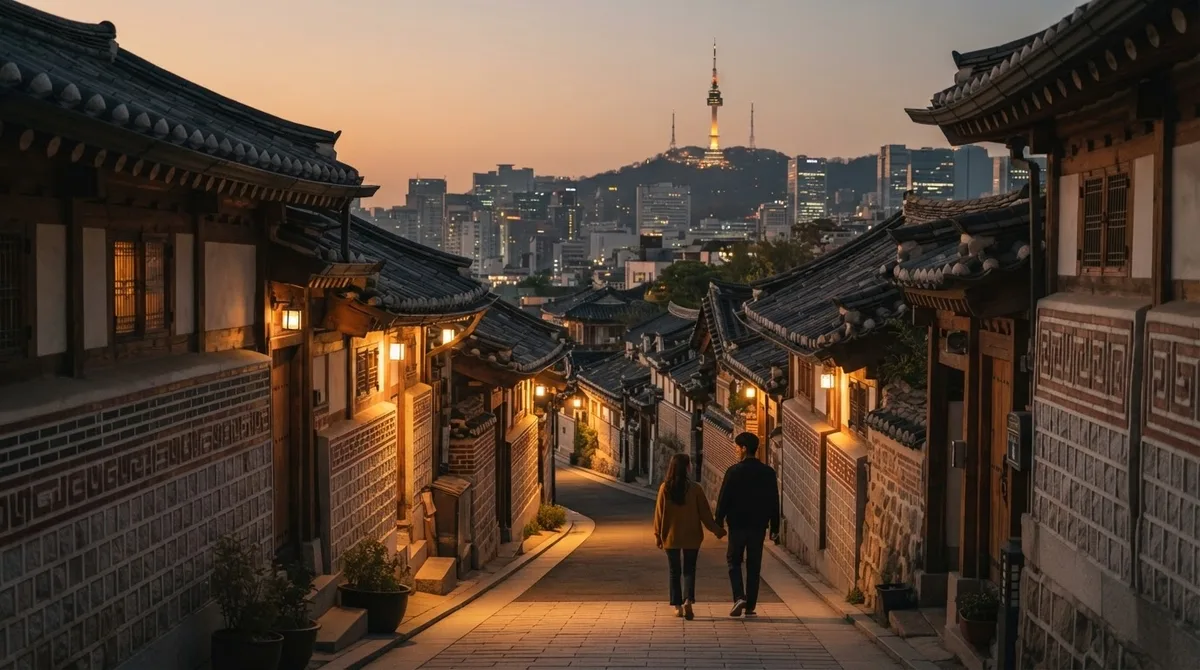
K-Drama Filming Locations in Seoul You Can Actually Visit (2026 Updated Guide)
Eight K-drama filming locations in Seoul you can visit in a day, with subway directions, what to expect when you get there, and two ready-made routes to follow. From Goblin's stonewall walk to Squid Game Season 2's recruiter scene -- all publicly accessible, most of them free.